
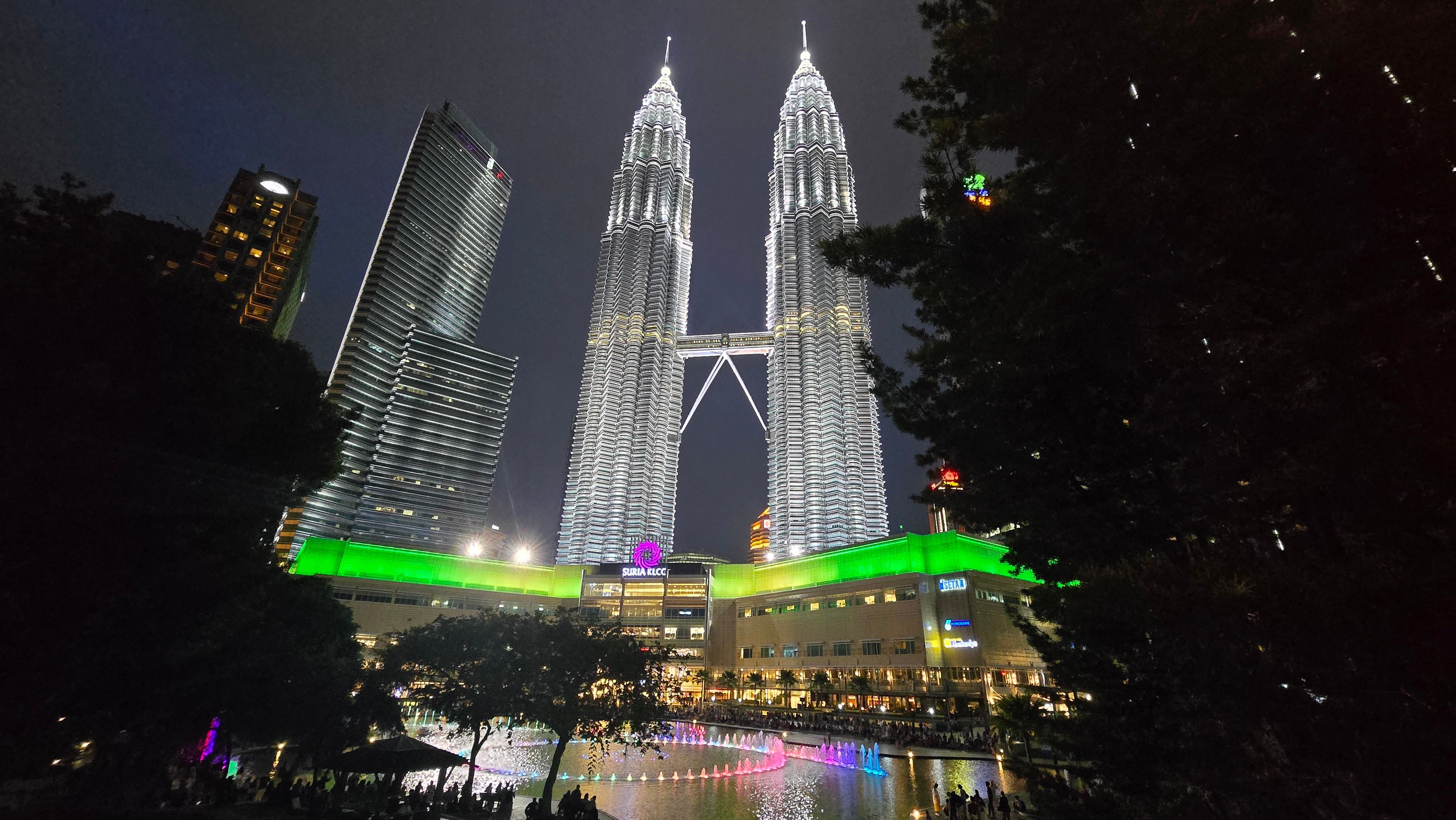
Kuala Lumpur and Penang are Southeast Asia’s odd-couple: one’s a large city, chasing tech bros and the other is a laid-back foodie paradise and UNESCO site. One’s a glass-and-steel economic hub. The other’s an artsy hideout that smells faintly of incense, curry. One’s a… no, you get the point.
For digital nomads and long-term expats, Malaysia sits quietly between the chaos of Bangkok and the bureaucracy of Singapore with world-class healthcare, fast internet, and laksa worth a return ticket. But if you plan to stay for months (and not just to play “remote work bingo” on Instagram), you’ll have to choose your battleground: Penang’s laid-back charm or Kuala Lumpur’s wired-in madness.
Let’s settle it, or make you more confused than ever.
Vibe Check: Chaos vs Calm
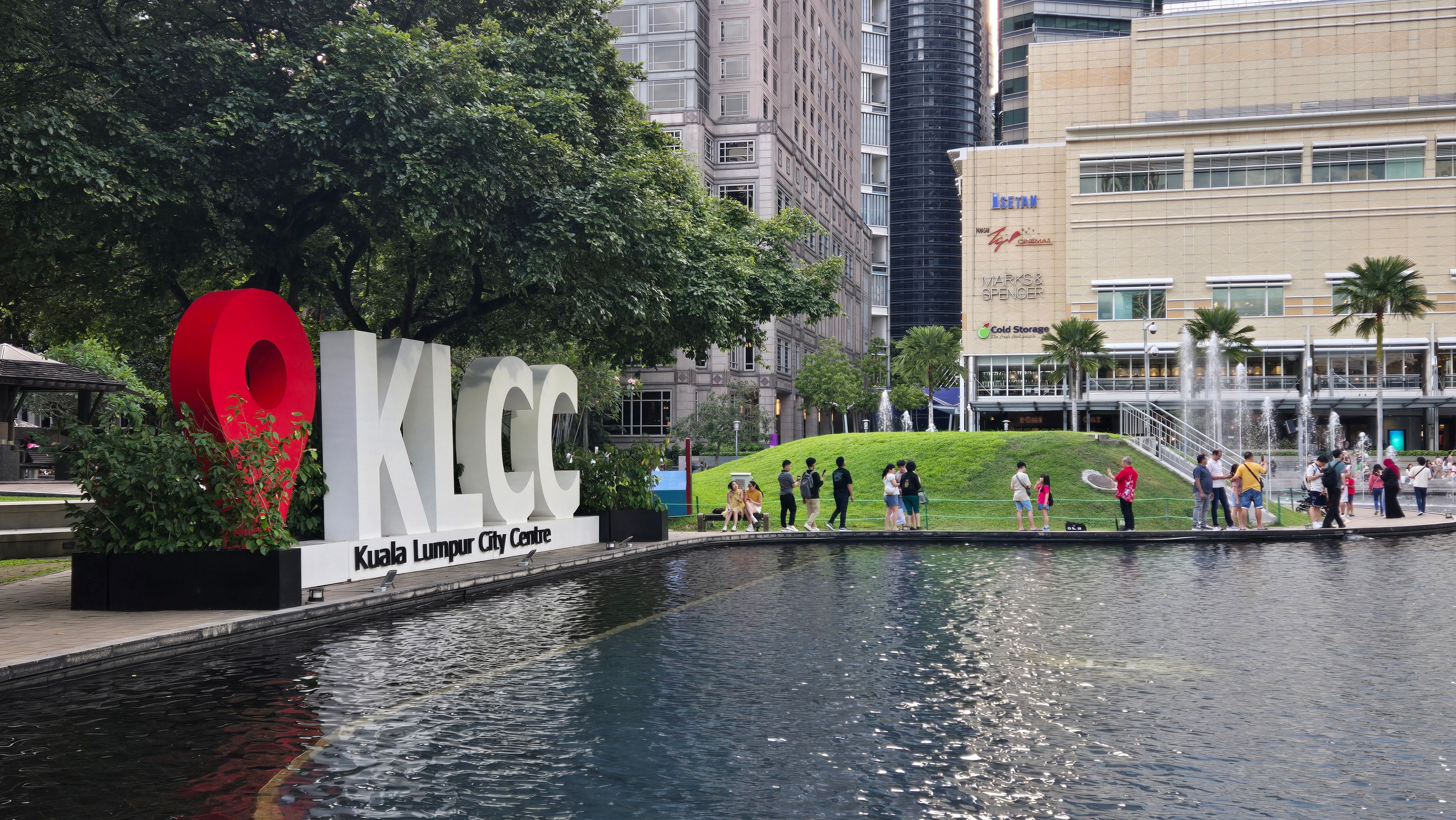
Kuala Lumpur feels like someone pressed fast-forward on a city and forgot to stop. Skyscrapers pop up faster than you can memorize their names, and yet, right below them, someone’s still frying noodles over charcoal. The city’s pulse runs on Grab rides, late-night mamaks, and the quiet hum of 5G towers.
Penang, by contrast, feels like time got stuck somewhere around 1998… in a good way. The old shophouses of George Town ooze character, and life moves slower. You’ll find more yoga mats than briefcases, more digital illustrators than bankers. It’s creative, walkable, and has a quiet smugness about its food (rightfully so).
If KL is espresso, Penang is cold brew. Both caffeinate you but you are going to have a preference.

Infrastructure and Internet: No Excuses for Missing Deadlines
Malaysia’s infrastructure is the envy of much of Southeast Asia. The government’s JENDELA initiative aims for nationwide broadband speeds of 100 Mbps by 2025, and urban areas already blew past that. Kuala Lumpur averages 112 Mbps on fixed broadband, with providers like Time clocking in closer to 179 Mbps in some districts. (nPerf, 2024)
Penang isn’t far behind. The island’s fiber coverage is excellent in George Town and Bayan Lepas, though you might lose a few bars if you decide to live in a “heritage-chic” building with 120-year-old wiring. Both cities run on 98% urban internet penetration, according to Malaysia’s Department of Statistics (DOSM, 2024), and public transport in KL is surprisingly solid. MRT, LRT, monorail, and buses that run on schedule. The AC in the trains are also unnecessarily cold but whatever.
Penang’s public transport is basically buses and Grab. But who cares? The island’s small enough to bike, and most nomads spend their mornings in cafés, not traffic.
Cost of Living: The Real Math Behind “Cheap”
Let’s talk money. Ringgit, specifically.
A one-bedroom apartment in Kuala Lumpur’s city center averages around RM 2,700–2,900 per month (US$580–610). In Penang, you’ll find similar units for RM 1,600–2,200. (Kopiandproperty.com, Q1 2024)
Daily living costs. Food, coffee, gym, transport are about 20–30% cheaper in Penang, mostly because you’ll spend less on nights out and overpriced oat milk. In KL, the temptation of rooftop bars and shiny malls is real.
If you’re the spreadsheet type:

Both are affordable by Western standards, but Penang gives you a little better value. KL gives you convenience and infrastructure.
Healthcare: Surprisingly Excellent (If You Pay for It)
Malaysia’s healthcare system is one of the best in Asia. Even the locals think so: 66% of Malaysians rated their healthcare “good or very good,” placing them among the world’s most satisfied nations. (Ipsos Survey, 2023)
Private hospitals in KL and Penang are modern, efficient, and English-speaking. The Malaysia Healthcare Travel Council markets the country as a medical-tourism hub, with procedures costing 60–80% less than in the U.S. (MHTC, 2024).
Public hospitals exist, but you’ll need patience. For expats, a good insurance plan or a fat emergency fund is the way to go. The upside? Even without insurance, a doctor’s visit won't kill your budget..
Bureaucracy and Visas: Welcome to the Gray Zone
Malaysia’s DE Rantau Nomad Pass finally gave remote workers a legal way to stay. Managed by the Malaysia Digital Economy Corporation (MDEC), it lets you live and work remotely for 3 to 12 months, extendable another 12 months. (MDEC, 2024)
The application fee is RM 1,000 for you and RM 500 per dependent. You’ll need proof of employment or freelance contracts and an annual income above US$24,000. The good news: It’s not limited to IT workers anymore. Writers, designers, accountants, and remote CEOs now qualify. (Digital.gov.my, 2024)
The bad news? Processing can drag on longer than a Malaysian dinner. Officially, 6–8 weeks. In practice, nomads on Reddit report months. Still, it beats doing visa runs every 60 days.
Taxes are another gray area: foreign-source income is generally exempt, but if you stay long enough to become a tax resident (183 days+), you’ll need to read the fine print.

Community: Different Flavors of Chaos
KL’s expat scene is big, busy, and borderline corporate. You’ll meet entrepreneurs, consultants, and remote workers wearing sneakers that cost more than their rent. Networking events happen nightly, often in bars with more glass than sense.
Penang’s crowd is smaller but warmer. Think freelancers, artists, long-term travelers, and a surprising number of people “taking a break from tech.” There’s less hustle, more community. If KL feels like LinkedIn, Penang feels like an offline subreddit with better food.

Lifestyle: What You’ll Actually Feel Living There
KL: You’ll wake to construction noise, survive on coffee and convenience, and swear at the traffic at least twice a day. But everything works. The airport is world-class, hospitals are top-notch, and whatever you crave (from Ethiopian injera to Armenian wine) is a Grab ride away.
Penang: You’ll eat better, walk more, and spend your nights by the sea instead of the smog. The downsides? It’s smaller, slower, and not great if your hobbies include nightlife. Good luck with your Amazon orders too, BTW.
KL feels like a launchpad. Penang feels like an exhale.

Final Verdict: Choose Your Poison
If you want pace, infrastructure, and convenience, KL. You’ll have fast Wi-Fi, direct flights everywhere, and a sense that “things happen here.”
If you want calm, creativity, and the occasional gecko in your kitchen, Penang’s your paradise. It’s half the price, twice the charm, and still plugged into the same fiber network.
Both offer reliable internet, great healthcare, and easy visas. So really, the question is less which is better and more about what you are looking for.


